Jibon Krishna Joy
M.Sc. student in Mathematics · Jagannath University, Dhaka
- Dhaka, Bangladesh
- jibonkrishna33@gmail.com
- GitHub
- ORCID
- CV
I am an M.Sc. student in mathematics at Jagannath University, Dhaka, and a graduate research assistant in the Department of Mathematics under Prof. Dr. Rabindra Nath Mondal. I work on spectral methods for rotating MHD duct flow, and I am interested in numerical PDEs, numerical linear algebra, scientific computing and scientific machine learning.
Research Interests
Numerical PDEs, Numerical Linear Algebra, Scientific Computing, and Scientific Machine Learning.
Education
Thesis: Numerical Study of Hall and Ion-Slip Effects on Rotating MHD Flow and Heat Transfer in a Curved Square Duct Using Spectral Analysis.
CGPA: 3.52 / 4.00.
Research Experience
- Study rotating MHD flow with Hall and ion-slip currents in a curved square duct, over a wider rotation range, a higher magnetic parameter, and different curvature and aspect ratios.
- Implemented a Chebyshev spectral method for the governing equations: Newton-Raphson for the steady solutions, pseudo-arclength continuation to follow solution branches, linear stability analysis, and Crank-Nicolson/Adams-Bashforth time stepping for unsteady flow and heat transfer.
- Rewrote the group’s Fortran solver in Python (NumPy, SciPy, JAX) and checked it against the Fortran results. A full continuation run of 4,208 steps agrees to about 10⁻¹⁰ relative error, and the Python code runs 6 to 12 times faster.
- Plan to test physics-informed neural networks (PINNs) as a faster stand-in for the numerical solver.
- Compared three randomized low-rank methods (Gaussian rSVD, SRHT-rSVD, randQB_EI) in Python (NumPy, SciPy, Numba) on matrices from PDEs, up to n = 20,000. A boundary-integral kernel matrix compressed very well (relative error 3.7 × 10⁻⁵ at rank 200), but real finite-element matrices did not: one still needed 86% of full rank to reach 10% error.
- SRHT needs about 12× fewer floating-point operations than Gaussian sketching, yet its sketch step ran 2.1× slower. A BLAS matrix multiply runs at about 85 GFLOP/s, while the compiled Hadamard transform reaches only 3.3 GFLOP/s.
Research & Projects
Visit the Research & Projects page.
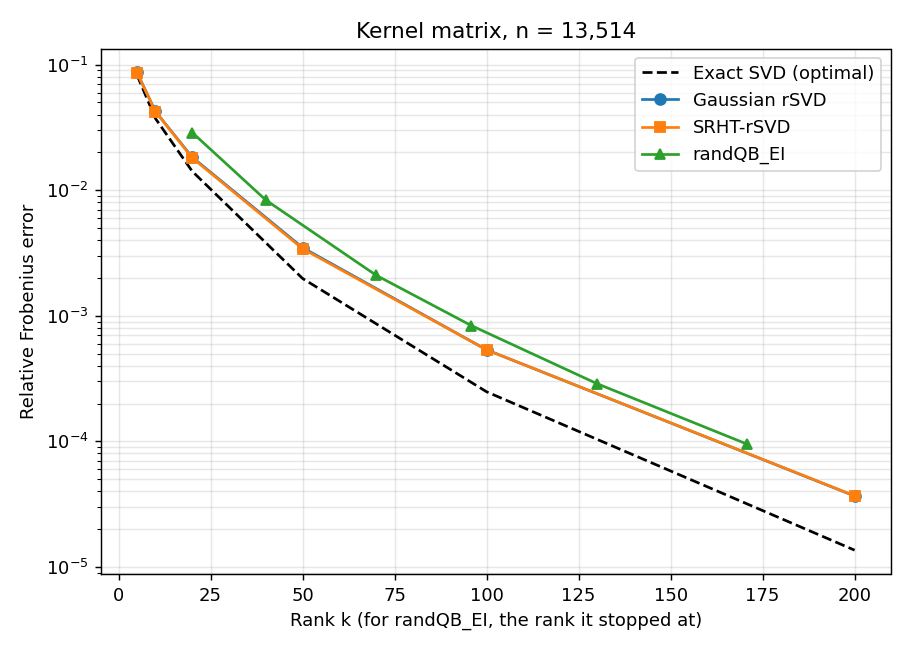
Randomized Low-Rank Approximation of Kernel Matrices
Three randomized low-rank approximation algorithms written from scratch in Python and compared with the exact SVD on synthetic and boundary integral kernel matrices. The SRHT sketch has fewer operations than the Gaussian one, but it was slower and used much more memory in my tests.
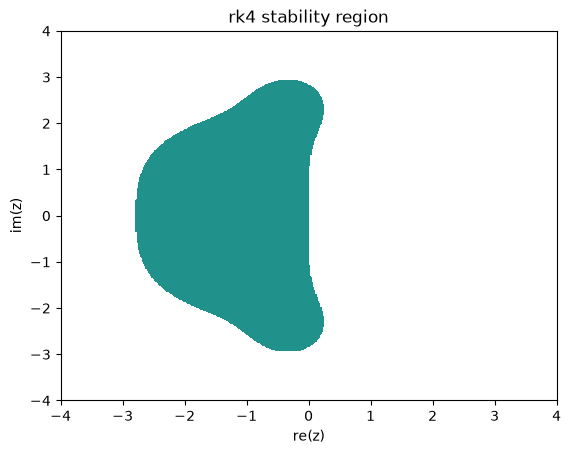
Numerical Algorithms in Python
Python code for the numerical methods from my Numerical Analysis I and II courses, with a notebook example for every method.
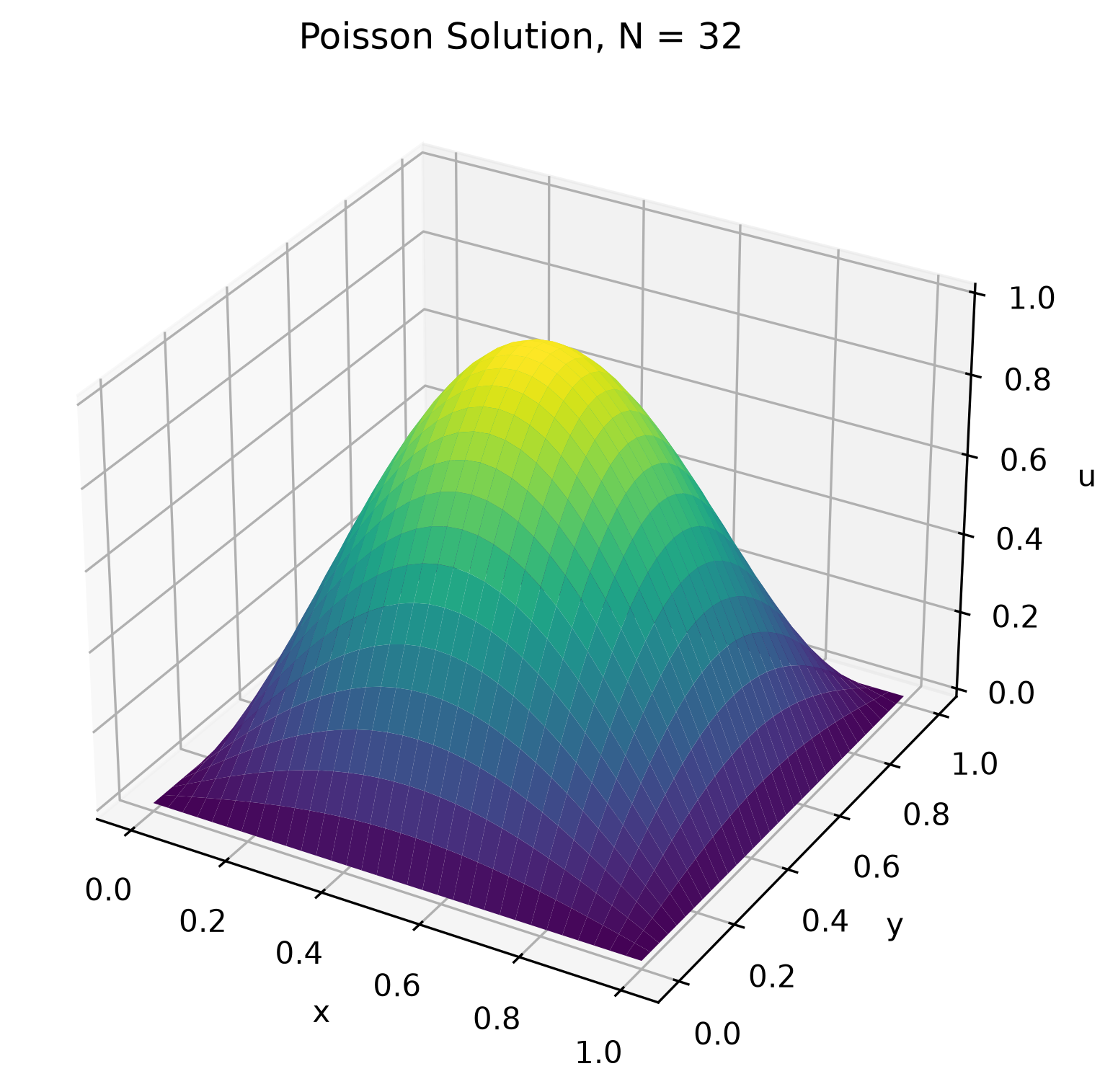
Numerical Methods for BVPs and PDEs
The ten problems from my Numerical Methods for Differential Equations course, solved in Python. All of them have an exact solution, so every notebook reports the real error.
Teaching Experience
Instructed 15+ students in mathematics, physics, chemistry and ICT (Grades 8–12), developing individualized lesson plans for the English-medium curriculum.
Technical Skills
- Languages: Python, C/C++, FORTRAN
- Scientific computing libraries: NumPy, SciPy, Matplotlib, scikit-learn, JAX, PyTorch, Eigen, pandas
- Mathematical software: Mathematica, MATLAB
- Typesetting: LaTeX
- Developer tools & environments: Linux, command line (bash, Zsh), remote server deployment (SSH), Git
Selected Coursework
Real Analysis I-II, Functional Analysis, Linear Algebra I-II, ODE I-II, PDEs, Numerical Analysis I-II (code), Methods of Applied Mathematics I-II, Abstract Algebra I-II, Numerical Methods for Differential Equations (code), Fluid Dynamics, Dynamical Systems.
Test Scores
IELTS Academic (August 2026)
Certifications
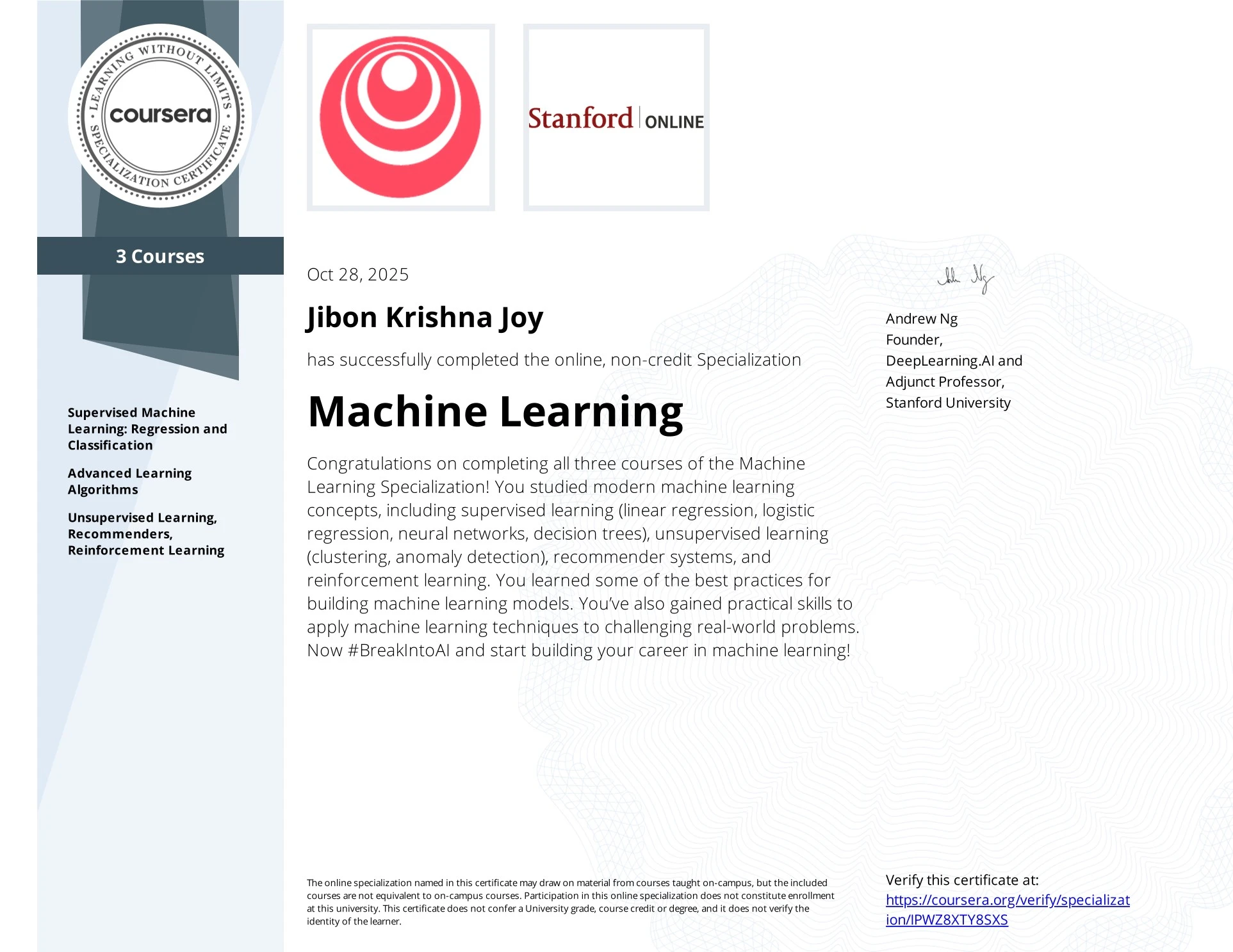
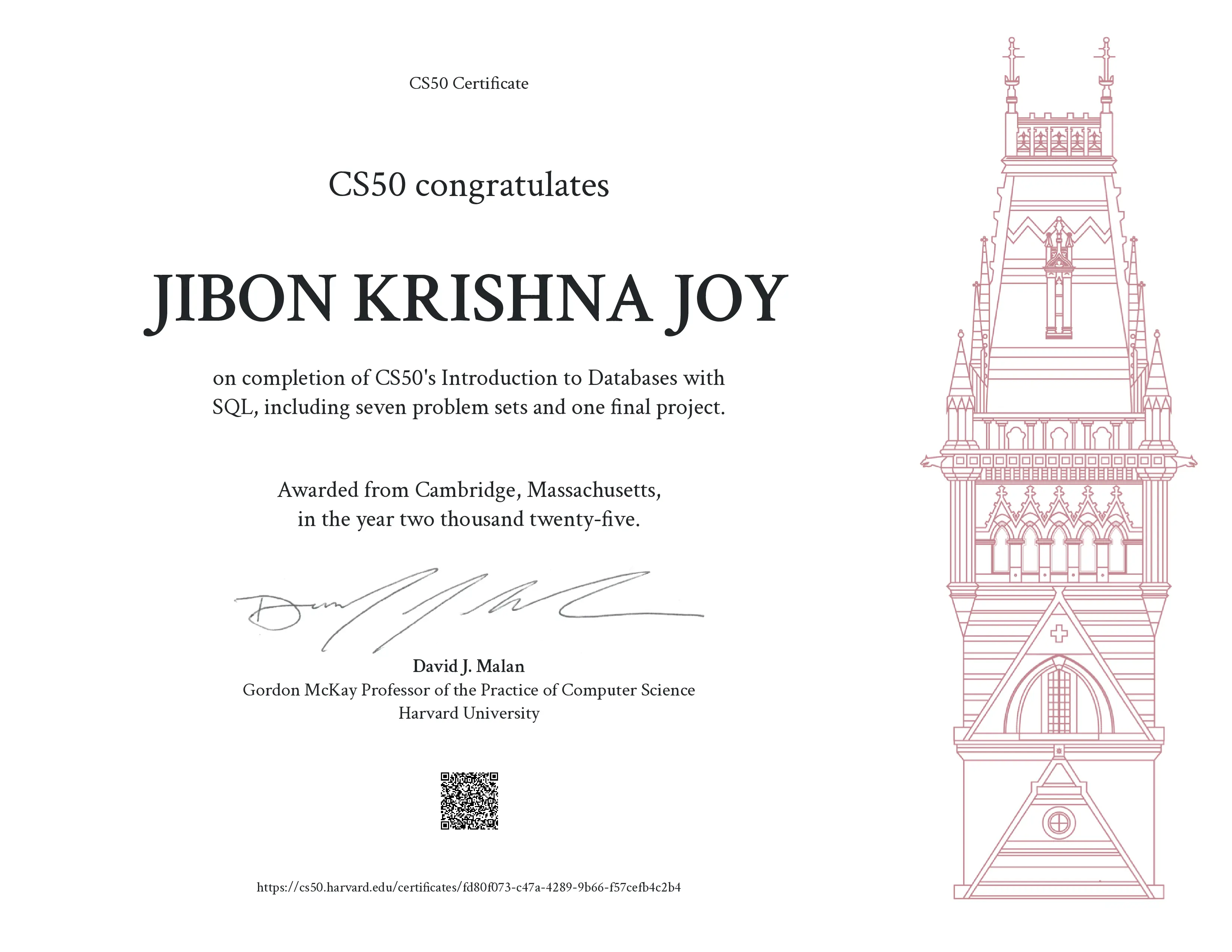
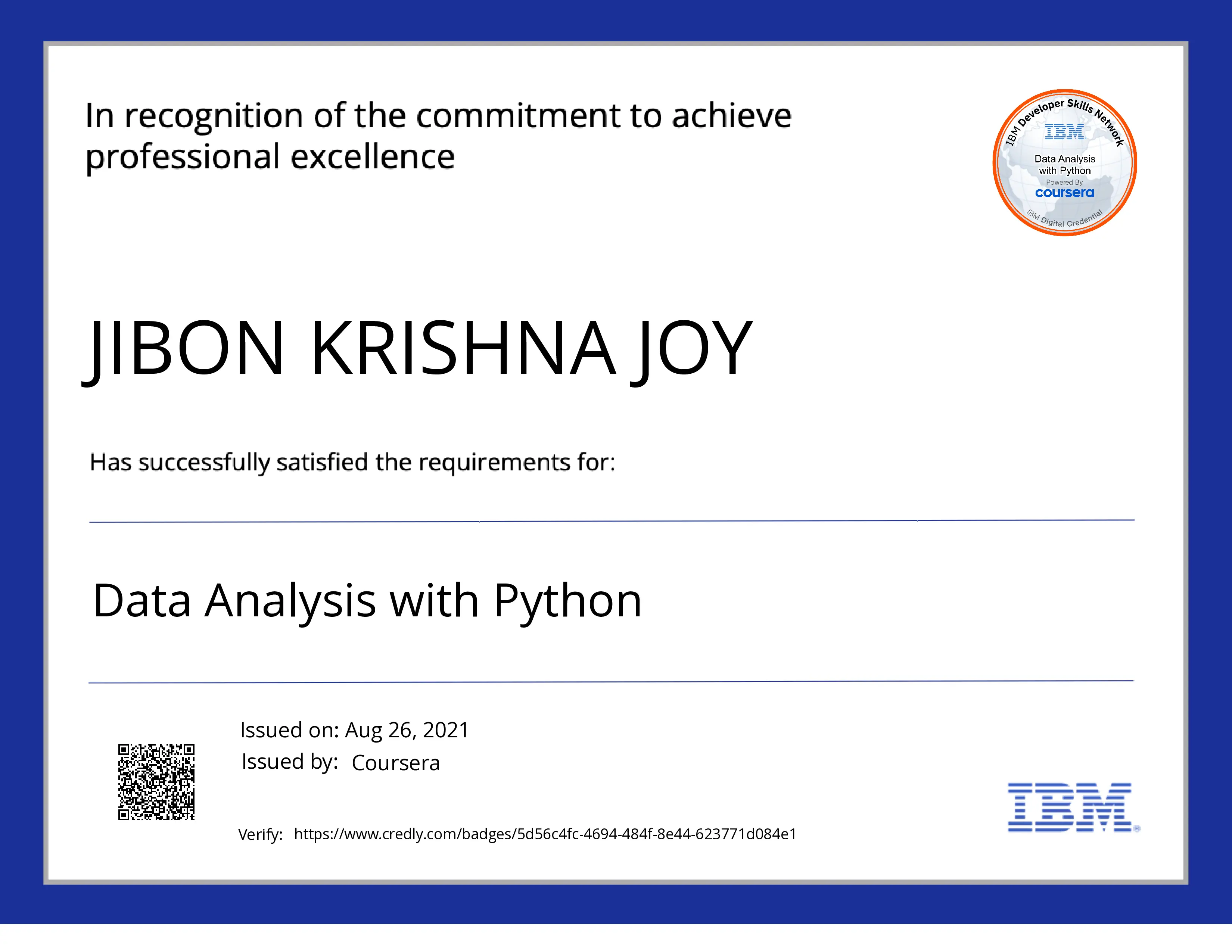

Latest Writing
Visit the Blog.